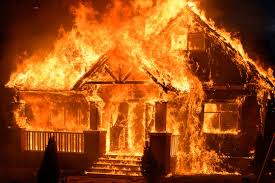
Fire damage can leave Houston homes and businesses facing a difficult recovery long after firefighters have brought the flames under control. Property owners may be confronted with damaged structures, lingering smoke and soot, persistent odors, and water used during firefighting operations.
The aftermath of a fire can be overwhelming because visible fire damage is often only part of the problem. Smoke and soot can spread beyond the areas directly affected by flames, settling on walls, ceilings, floors, furniture, appliances and personal belongings. These residues can leave strong odors and may require specialized cleaning and treatment.
Firefighting water can create another layer of damage. Water that enters walls, flooring and other building materials can contribute to deterioration if it is not addressed promptly. The Houston Fire Department advises property owners to be aware of potential structural damage, damaged utilities, toxic hazards and airborne contaminants following a fire.
Professional fire damage restoration services can help property owners evaluate the condition of a building and establish an appropriate recovery plan. Depending on the severity of the incident, restoration may involve water extraction, structural drying, smoke and soot removal, odor treatment, cleaning of personal belongings and repairs to damaged portions of the property.
Acting quickly can be particularly important when water and smoke have affected the structure. Restoration specialists can identify areas requiring immediate attention and help prevent additional deterioration while determining which materials and belongings may still be salvageable.
Property owners should also avoid entering seriously damaged buildings until authorities or qualified professionals determine that the structure is safe. Fires can weaken structural components and damage electrical, gas or plumbing systems in ways that may not be immediately visible. The Houston Fire Department specifically recommends allowing qualified professionals to handle necessary cleanup and renovation when appropriate.
Documentation is another important part of the recovery process. Photographs and videos of damaged rooms, belongings and structural components can help property owners communicate with insurance providers and restoration professionals. Keeping records of damaged or destroyed possessions may also assist with the claims process.
For Houston residents dealing with fire damage, recovery can involve several stages rather than simply cleaning the areas where flames were visible. Smoke contamination, soot deposits, water intrusion and structural concerns may all need to be addressed before a property can safely return to normal use.
The City of Houston maintains active-incident information for emergency responses, while the Houston Fire Department provides post-fire safety guidance for property owners.
Although the immediate emergency ends when firefighters extinguish the flames, the restoration process may continue for days or weeks depending on the extent of the damage. Professional assessment can help property owners understand what needs to be cleaned, repaired, replaced or restored.
For families and businesses facing the aftermath of a fire, the road back to a safe and usable property can feel daunting. With prompt assessment, careful documentation and qualified restoration assistance, however, damaged spaces and belongings may be given an opportunity to recover.
Fire damage is rarely limited to what the flames touched. Smoke, soot, water and hidden structural problems can all contribute to the overall loss. Understanding those risks is an important first step toward restoring a Houston property and beginning the recovery process.